1
Rodent-Contaminated Attic Insulation
Serious Roof rats and mice nest in the insulation, then tunnel through it and leave droppings and urine behind. Contaminated insulation stops insulating well, smells bad, and can carry pathogens into the home through ceiling gaps and ductwork.
Why it happens here Azusa backs right up to the San Gabriel Mountains and the canyon wash, which is ideal territory for roof rats. Mature citrus, palms and dense landscaping in older neighborhoods give them a path onto the roof, and gaps at eaves, vents and roof-wall joints let them in. Once inside, warm and undisturbed attic insulation makes perfect nesting material. In older homes the activity can run for years before anyone notices. Topping up over contaminated insulation only buries the problem. It has to come out.
Signs to watch for - Scratching or scurrying in the ceiling at night
- Droppings visible near the attic hatch
- Musty or ammonia-like odor in upstairs rooms
- Tunnels, flattened trails or nests in the insulation
- Chewed wiring or duct wrap
- Allergy flare-ups with no obvious cause
Local patterns We see the most of this in North Azusa near Sierra Madre Ave, in homes by the San Gabriel Canyon gateway, and in older tracts with mature fruit trees. Activity tends to pick up in fall and winter, when rodents move indoors looking for warmth.
Our fix Full vacuum removal of contaminated insulation, cleanup and sanitizing of the attic, sealing of entry gaps, then new insulation installed to R-38 or better.
2
Thin or Settled Attic Insulation
Moderate Insulation that's settled, compressed or never met modern levels. Fiberglass batts and loose fill from the 1950s–70s are often down to R-11 to R-19, well under the R-38 Title 24 sets for Zone 9 attics.
Why it happens here Most of Azusa's housing went up before current energy codes existed. Decades of 130°F attic summers, foot traffic from cable and HVAC installers, and gravity all flatten old fiberglass. The result is an attic floor where you can see the tops of the joists. With summer highs in the 90s and frequent 100°F heat waves, under-insulated ceilings let heat pour into the living space, so cooling systems in these homes work far harder than they should.
Signs to watch for - Ceiling joists visible above the insulation
- Rooms that stay hot after sunset
- AC running almost nonstop in summer
- Summer electric bills that keep climbing
- Ceilings that feel warm to the touch
- Insulation under 10–12 inches deep
Local patterns This is typical in the post-war ranch homes of south Azusa near Arrow Hwy and the Gladstone St corridor, and in 1970s–80s tracts and condos throughout the city.
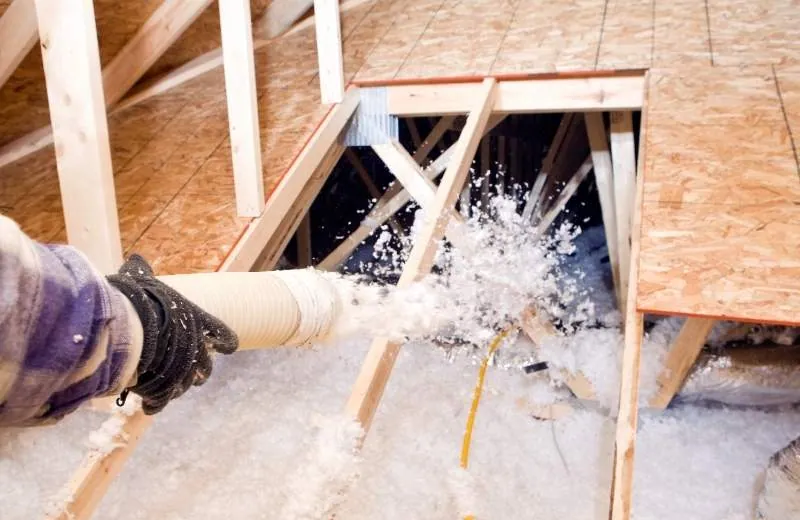
Our fix Air seal the attic floor, then blow in loose-fill fiberglass or cellulose to R-38–R-49, with baffles to keep the soffit vents clear.
3
Water-Damaged and Moldy Insulation
Serious Insulation soaked by roof leaks, failed flashing or condensation. Wet fiberglass mats down and loses most of its R-value. Cellulose clumps up and holds moisture against the drywall and framing, which feeds mold growth.
Why it happens here Azusa gets almost all of its rain from November to March, often in heavy storms. Aging roofs on older homes, and the board-sheathed roofs on pre-war bungalows, let water through at penetrations and valleys. Then the insulation sits wet in a closed attic for weeks. By summer the damage is done, and the space above your ceiling may be holding mold spores.
Signs to watch for - Ceiling stains or bubbling paint
- Musty smell after rain
- Matted, discolored or clumped insulation
- Visible mold on roof sheathing or rafters
- Drips around light fixtures
Local patterns Most often found after winter storms in Downtown Azusa bungalows, 1960s homes with original roof decking, and condos where roof upkeep was put off. Rental properties near APU are frequent cases too.
Our fix Get the roof leak repaired first. Then we remove the wet material, dry the attic and coordinate any mold work it needs before installing new insulation.
4
Uninsulated Walls and Raised Floors
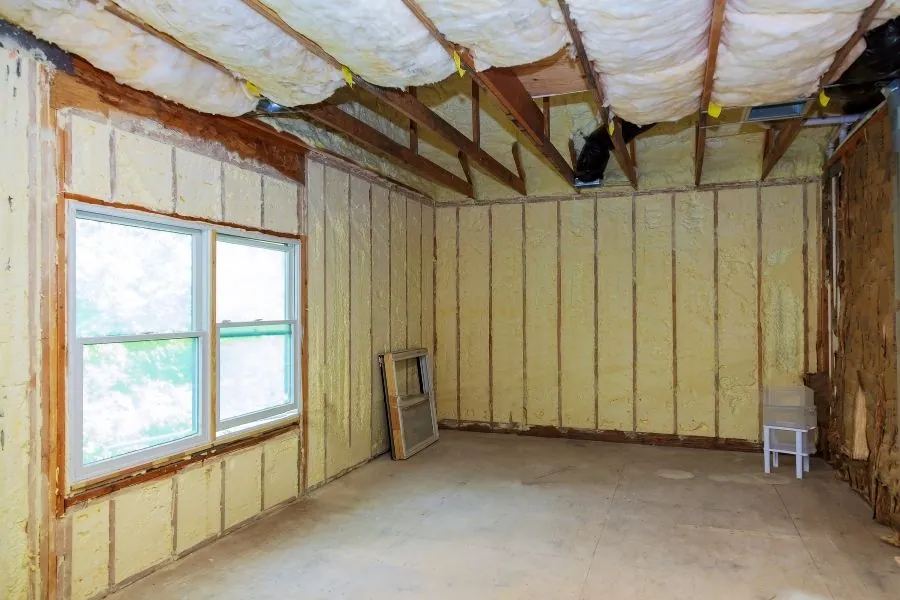
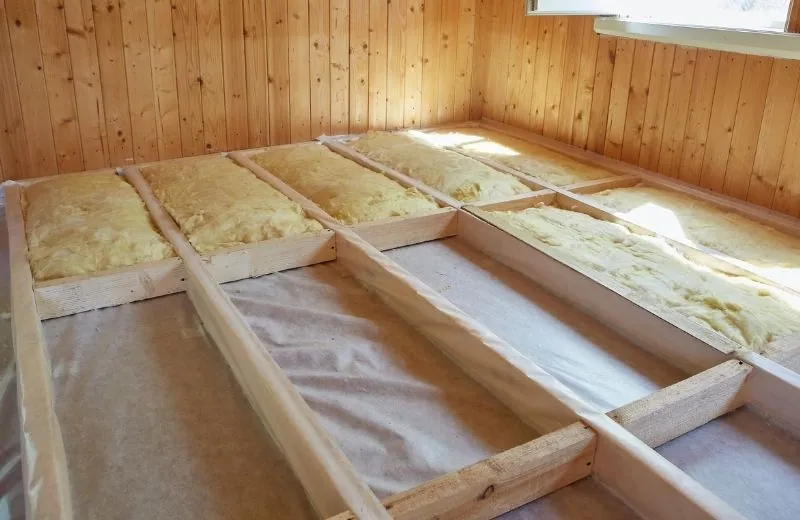
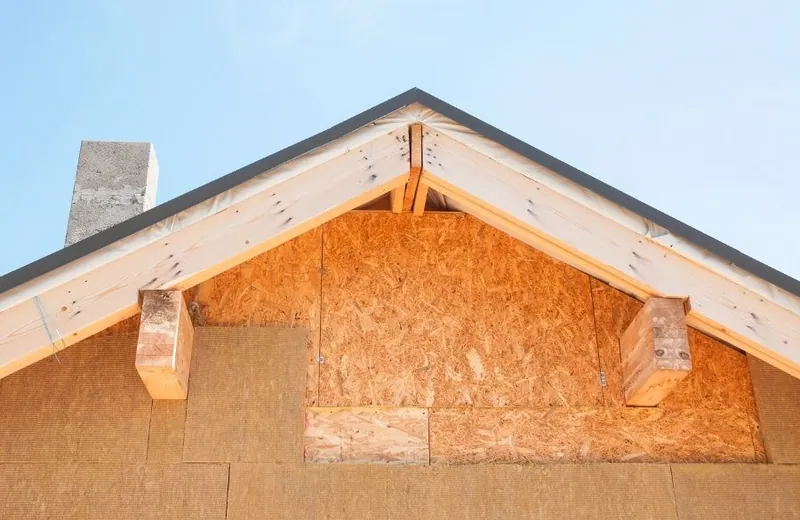
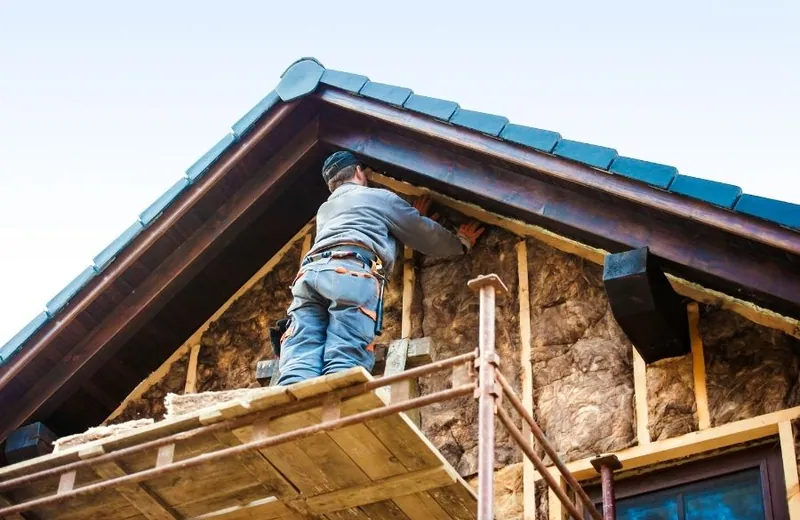
Moderate Exterior walls with empty cavities, and raised wood floors over open crawl spaces with no insulation at all. Both let heat out in winter and in during summer, and they make floors cold and drafty.
Why it happens here Many of Azusa's early 1900s–1930s Craftsman and Spanish Revival homes were built before wall or floor insulation was standard. Winter nights in the low 40s make those floors cold underfoot. In summer, empty walls in sun-facing stucco homes radiate heat into the house well into the evening.
Signs to watch for - Cold floors in winter
- Drafts at baseboards
- Exterior walls that feel cold or hot to the touch
- Rooms that are hard to heat
- No insulation visible under the floor
Local patterns Common in the historic Azusa Ave / Foothill Blvd / San Gabriel Ave grid and older blocks near the Glendora and Duarte borders.
Our fix Install crawl space insulation between floor joists, add a vapor barrier where it's needed, and dense-pack blown insulation into wall cavities through small, patched access holes.
5
Hidden Hazards: Vermiculite and Knob-and-Tube Wiring
Emergency Vermiculite loose fill can contain asbestos. Knob-and-tube wiring was designed to shed heat into open air. Burying it in insulation creates a fire risk. Either one has to be identified before any insulation work goes forward.
Why it happens here Pre-war bungalows and some 1940s–60s homes in Azusa can have one or both. Disturbing vermiculite without testing can put fibers into the air throughout the home, and South Coast AQMD Rule 1403 sets how suspect material must be handled. Old wiring often goes unnoticed until someone looks closely in the attic.
Signs to watch for - Gray-brown, pebbly granular insulation
- Porcelain knobs or tubes on joists
- Cloth-wrapped wiring
- Two-prong outlets throughout the house
- Home built before 1950
Local patterns Most likely in Downtown Azusa and in older homes in north and south Azusa and unincorporated Citrus and Vincent that haven't been fully renovated.
Our fix Don't disturb it. Get vermiculite tested and abated by licensed professionals, and have an electrician evaluate the wiring. Once it's safe, we'll insulate.
6
Air Leaks, Attic Bypasses and Leaky Ducts
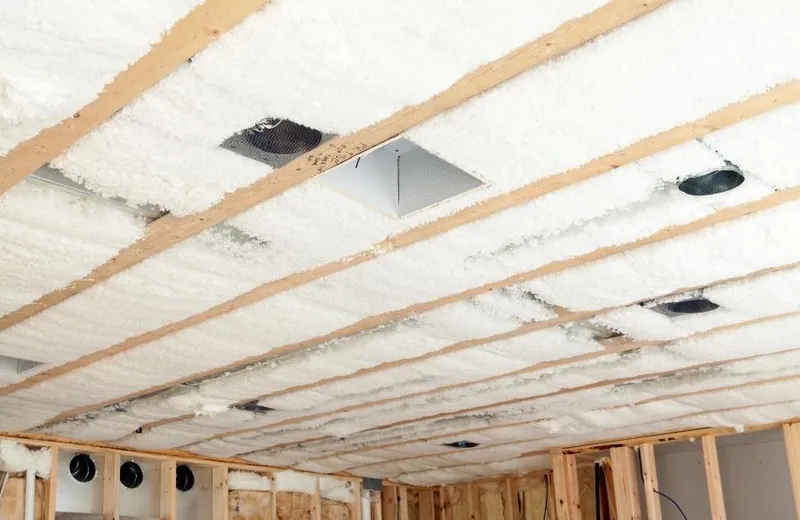
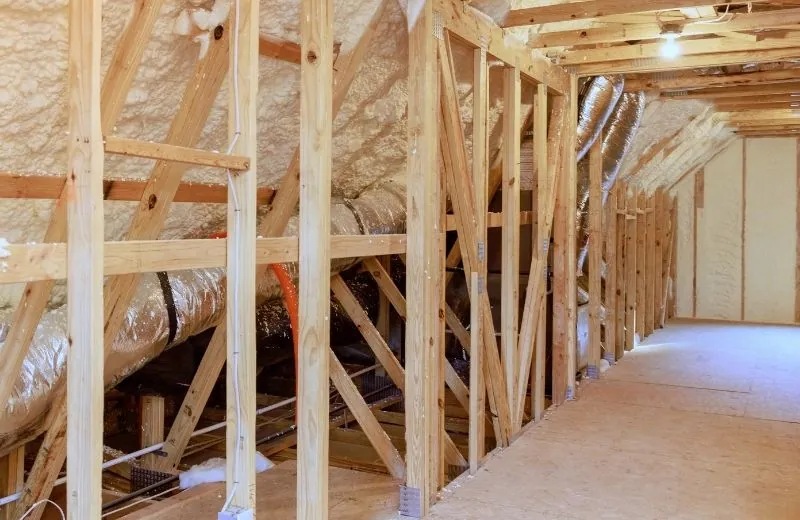
Moderate Gaps around recessed lights, top plates, plumbing stacks, chases and the attic hatch let conditioned air escape and let attic air in. Leaky ductwork in the attic dumps cooled air straight into a 130°F space.
Why it happens here Many Azusa homes from the 1970s–90s and later run their HVAC ducts through the attic. During Santa Ana events, the same leaks that waste AC pull dust, smog and wildfire ash into your living space. That's why air sealing here matters as much for the air you breathe as for your bills.
Signs to watch for - Dust lines on carpet at baseboards
- Smoke smell indoors during fires
- Uneven room temperatures
- Weak airflow at far registers
- Dirty insulation around recessed lights
Local patterns Noticeable in foothill neighborhoods along Sierra Madre Ave, Mountain Cove and Rosedale during Santa Ana and fire seasons, and in tract homes that still have their original attic ductwork.
Our fix Seal attic bypasses with foam and caulk, fit an insulated, weatherstripped hatch cover, and point out duct leaks that may call for sealing and HERS testing.
7
Hot Second Floors and Bonus Rooms
Minor Upstairs bedrooms, rooms over the garage and bonus rooms that run 5–10°F warmer than the main floor. This usually comes from shallow attic insulation, open knee walls, and heat building up under the roof.
Why it happens here Large two-story floor plans in newer subdivisions take full afternoon sun, and heat rises. Even homes built to code can come up short on 100°F days, particularly over garages where a lot of heat transfers.
Signs to watch for - Upstairs too hot to sleep in
- Thermostat fights between floors
- Bedroom over the garage always warm
- Ceiling fans running all summer
- Second-floor AC zone that never catches up
Local patterns Very common in Rosedale and in newer infill townhomes, especially in west-facing units.
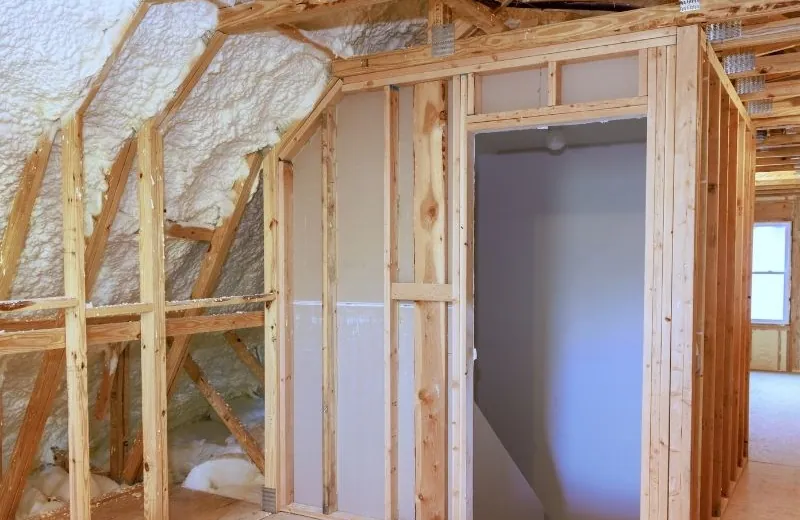
Our fix Add attic insulation, insulate and seal knee walls and garage ceilings, and consider a radiant barrier or spray foam at the trouble spots.